Omnichannel Marketing Analytics: How to Track and Optimize Every Customer Touchpoint
Modern businesses rely on omnichannel marketing analytics to measure interactions across multiple channels.

Moises hamui
CEO
Modern businesses rely on omnichannel marketing analytics to measure interactions across multiple channels. Accurate insights help organizations analyze and optimize their business with data-driven intelligence. These capabilities improve decisions related to customer behavior, marketing performance, and overall growth strategies.
Key factors
Unified data from all marketing channels.
Real-time attribution modeling.
Customer journey tracking with detailed segmentation.
Integration capacity with CRM and automation systems.
Accurate forecasting using advanced analytics.
What defines an effective omnichannel analytics system?
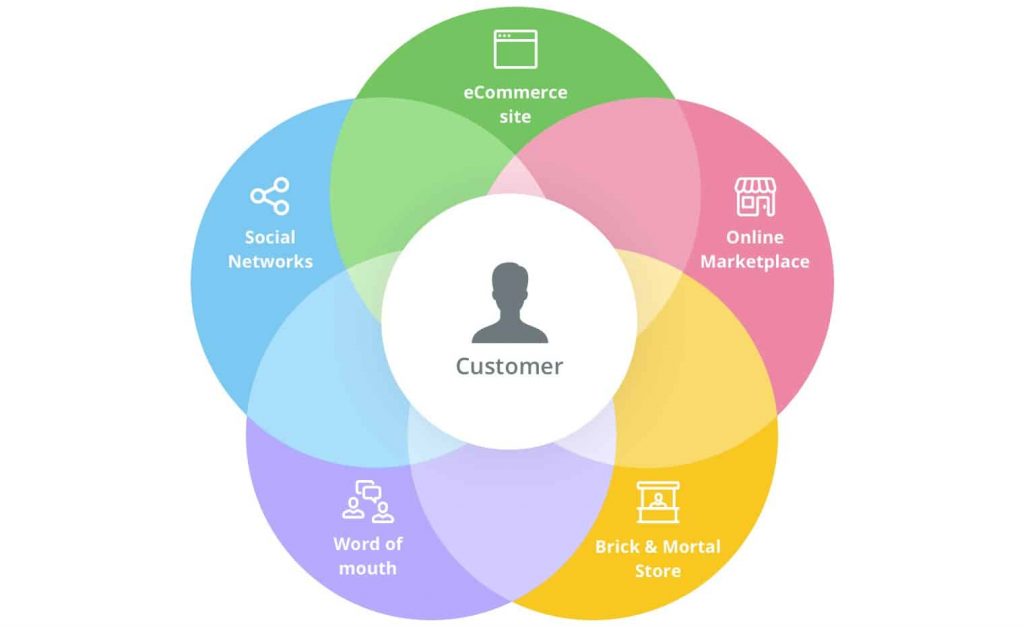
A high-performing system centralizes customer interactions across digital and offline channels. This visibility helps teams understand behaviors and optimize the entire journey. It also reveals patterns that support stronger strategic planning.
Companies often follow structured measurement to improve acquisition and retention. Tools linked to Google Ads campaigns create unified reporting. This supports more accurate budget allocation across channels.
Systems that integrate with automation tools strengthen consistency in follow-up processes. These integrations help teams personalize communication and increase customer engagement. Automation also reduces manual effort while improving precision.
Centralized journey mapping.
Clear indicators for marketing performance.
Improved segmentation and accuracy.
How does omnichannel analysis improve customer journeys?
Journey mapping becomes stronger when businesses use detailed tracking. Insights highlight which channels influence user behavior the most. These patterns enhance targeting and elevate satisfaction rates.
Organizations gain clarity on how users interact before making decisions. This understanding helps personalize communication and optimize touchpoints. Teams strengthen retention strategies based on reliable journey insights.
Advanced analytics connected to email marketing platforms sharpen targeting precision. Combined data increases open rates, conversions, and lifetime value. These adjustments help refine long-term communication strategies.
Enhanced customer experience.
Insightful behavior metrics.
Better personalization.
Which metrics matter most in omnichannel performance?
Strong performance analysis considers channel efficiency and user behavior. Marketers rely on KPIs that reveal acquisition quality and engagement depth. These indicators guide strategic adjustments that boost revenue.
Cross-channel comparisons offer clarity on the touchpoints that drive conversions. Teams identify which platforms require improved creative, budget, or targeting. Insights improve the accuracy of marketing investment decisions.
When campaigns run across Meta Ads and other networks, consistent measurement becomes crucial. Aligning parameters prevents data fragmentation and strengthens decision-making. Unified reporting ensures clear visibility across all marketing efforts.
Customer acquisition cost.
Touchpoint engagement quality.
Conversion rate per channel.
Comparison of common omnichannel KPIs
The following table displays real data from widely used KPIs across multichannel campaigns. These indicators help marketers evaluate channel performance with accuracy. Reviewing this data supports more informed decisions.
The comparison highlights variations in engagement and acquisition performance. Each metric reflects the impact of specific strategies across platforms. This transparency assists in prioritizing high-performing initiatives.
Organizations can use these metrics to improve targeting and optimize budget distribution. Clear benchmarks strengthen planning and performance evaluation. They also help teams implement faster corrective actions.
Metric | Average Value | Typical Range | Channel Insight |
Conversion Rate | 2.9% | 1.5% - 6% | Varies by audience intent and channel relevance |
Customer Acquisition Cost | $38 | $25 - $70 | Depends on bidding model and campaign quality |
Click-Through Rate | 1.4% | 0.9% - 3.5% | Higher with relevant and personalized messaging |
Email Open Rate | 34% | 20% - 45% | Influenced by segmentation and send-time optimization |
KPIs vary based on audience intent.
Strong segmentation improves results.
Consistent tracking enhances clarity.
How can organizations build a successful omnichannel strategy?
Organizations succeed when they unify data and align campaigns. This structure supports more deliberate decision-making. Teams gain clarity by analyzing interactions holistically.
Integrating analytics with CRM enables better customer recognition. Sales and marketing departments work cohesively when aligned data is available. These insights help deliver an improved customer experience.
Companies benefit from pairing analytics with SEO optimization and other digital initiatives. When content strategies reinforce touchpoints, customer engagement increases. Consistency across channels enhances brand perception.
Unified insights across departments.
Personalized communication strategies.
Stronger brand consistency.
FAQ’s
What is omnichannel marketing analytics?
It is the practice of measuring customer interactions across channels. These insights reveal how users behave during their purchasing journey. The goal is to improve personalization and performance.
Which companies benefit most from omnichannel analytics?
Retail, ecommerce, and service-based businesses gain substantial value. Any company using multiple digital channels improves decision-making. Broad data visibility strengthens long-term strategy.
How does channel integration improve measurement?
Integration prevents data fragmentation and improves attribution accuracy. It creates a unified view of marketing performance. This enhances the clarity of strategic adjustments.
What tools support advanced omnichannel measurement?
Tools that combine CRM, tracking, and analytics capabilities are most effective. Systems like MHA Intelligence centralize data efficiently. They help organizations understand journey behavior in depth.
Why is customer journey mapping essential?
Journey mapping highlights key touchpoints that influence decisions. It supports personalized communication and increased engagement. These insights strengthen long-term loyalty and satisfaction.
SHARE